
Bus Interchange Advisory Project

Client:
Department of Transport and Planning (DTP)
Location:
VIC, Australia
Project lifecycle stage:
Strategise
Project value:
$50,000
Duration:
February 2021 – July 2021

At a glance

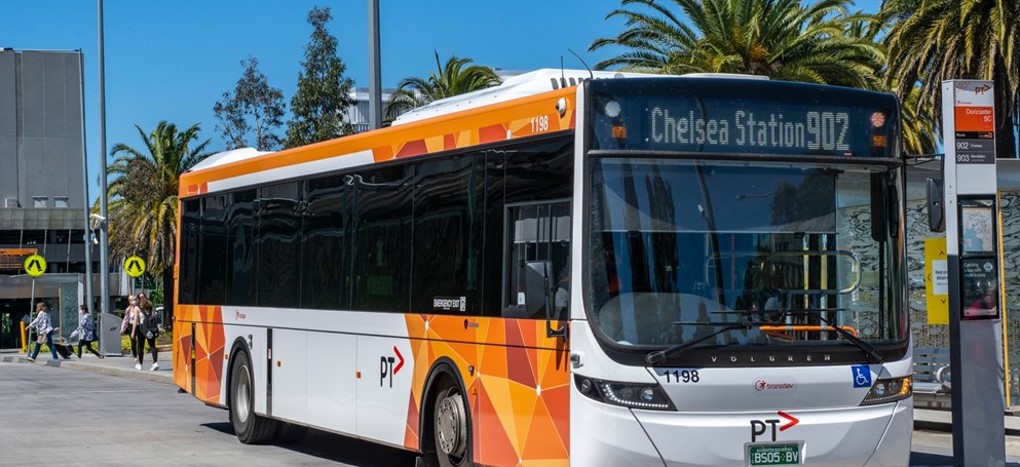
Bus interchanges are critical to the success of a high-performing, modern multi-modal public transport system. Bus interchanges will play a critical role in future public transport system, facilitating access to rail services for residents throughout the metropolitan area.

z
z
z
z
i
i
z
z

Objectives

The Department of Transport and Planning (DTP, known at the time of this engagement as Department of Transport/DOT) set out to establish a consistent, streamlined and stakeholder-centred approach to the development and delivery of bus interchanges in the future.

Our services

SmedTech was engaged by DTP as Specialist Expert Advisor in 2021 to provide independent technical and strategic advice and support. In this role, we:

  • Undertook a critical review of the existing approach undertaken to designing bus interchanges, which included consultation with staff from several divisions within DTP and mapping the different approaches.
  • Performed technical reviews of concept plans for interchange proposals and provided feedback to DTP officers on technical and operational issues and key risks.
  • Participated in risk and technical workshops, providing advice on technical, operational and commercial risks pertaining to bus services.
  • Delivered a final Roadmap and guidance note for the design of bus interchanges to ensure a consistent approach to the design of these critical facilities at major integrated transport interchanges across the metropolitan area.

Our impact

As part of our engagement, SmedTech produced a critical design guidance note to inform the subsequent design parameters and process for major bus interchanges that were to be designed as part of the SRL Project (initially these designs would focus on SRL East). This guidance was designed to:

  • Encourage more people to travel by bus;
  • Enable more sustainable bus operation;
  • Deliver a high-quality customer experience for bus passengers;
  • Increase walking, cycling and public transport as the primary modes for accessing SRL stations/interchanges;
  • Support economic and place objectives;
  • Provides direction for the design of infrastructure (including bus interchanges) to support future needs of customers and operators, with consideration of emerging trends, growth and technology.